A productive battery exhibition meeting goes beyond exchanging catalogs. It creates a direct discussion around the device, load, enclosure, compliance target, schedule, and supply plan so both teams can identify the next engineering step.
Why face-to-face technical discussions matter
Battery projects usually involve tradeoffs that are difficult to explain with one capacity value. Engineers and buyers may need to compare cell formats, connectors, BMS functions, enclosure limitations, charging methods, test plans, and certification routes.
At an exhibition, a product sample, drawing, or existing battery can quickly make the discussion more concrete. The goal is not to approve a design at the booth, but to capture enough reliable information for a structured review afterward.
What customers should bring to a meeting
Useful materials include product photos, available battery space, target voltage and runtime, average and peak current, charging input, connector details, operating temperature, annual demand, and target market. Even an early prototype can reveal mechanical constraints that a written inquiry misses.
When details are confidential, a simplified load profile and envelope drawing can still allow a useful first assessment.
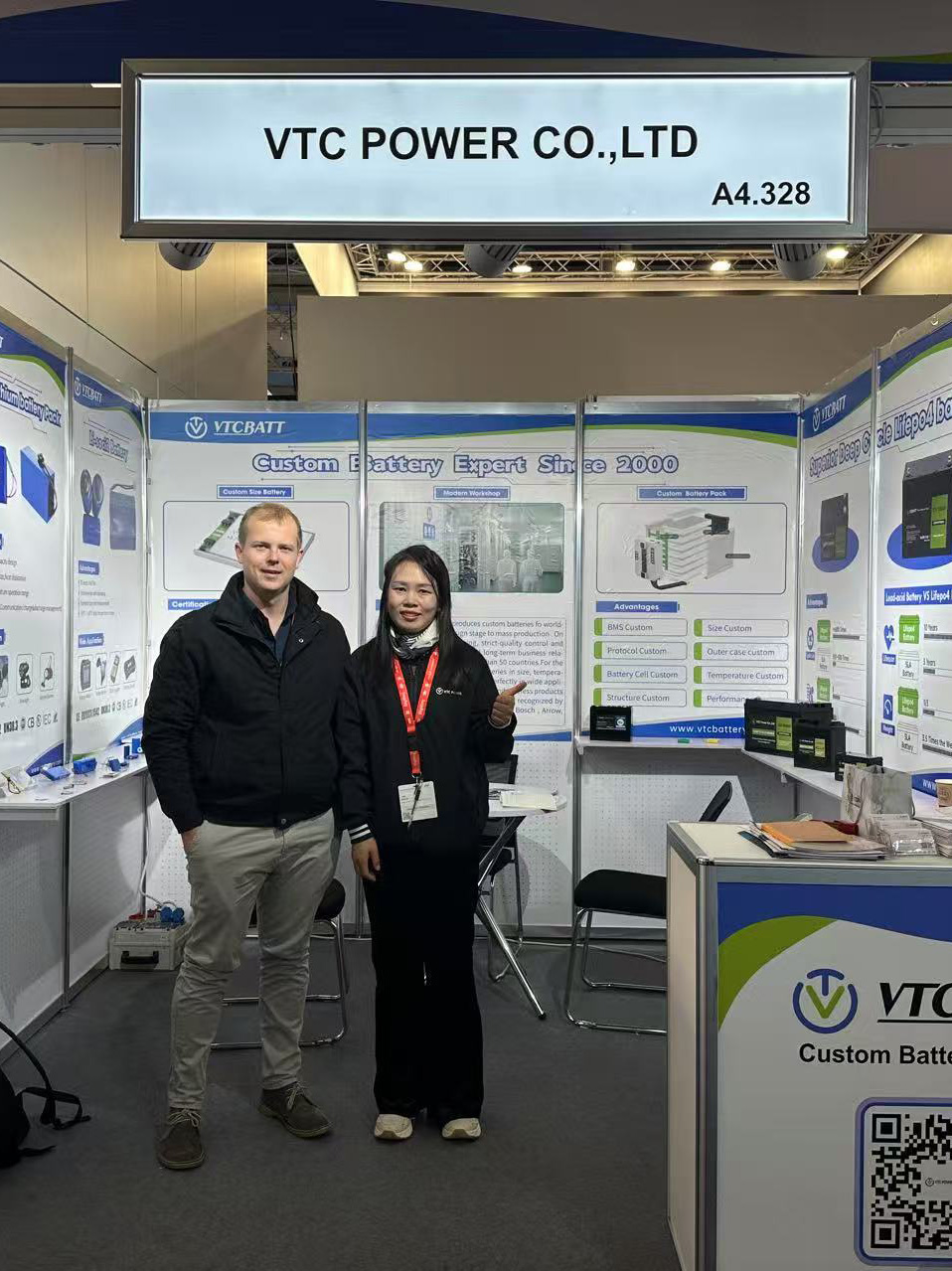
Turning a booth conversation into an engineering project
After the event, requirements should be confirmed in writing. The battery team can then compare suitable cells, estimate configuration, identify missing information, and propose a prototype path.
A disciplined follow-up separates assumptions from confirmed requirements. It should also identify who owns charger design, enclosure integration, certification, tooling, labels, and validation.
Supporting international OEM and ODM programs
Global projects need more than sample delivery. Documentation, transport testing, label language, packaging, regulatory expectations, production forecast, and communication across time zones affect execution.
A factory-direct engineering relationship helps connect technical decisions with sourcing, process control, quality records, and repeat production.
Preparing for the next meeting
The most efficient next discussion is based on a requirement sheet rather than a general request for a battery. Customers should prioritize what cannot change, such as enclosure dimensions or operating temperature, and identify where tradeoffs are possible.
This gives the engineering team room to compare practical options instead of forcing an unsuitable cell into a fixed concept.
A device sample, load data, and available battery space usually create a more useful conversation than a capacity request alone.
Related battery resources
Continue from the technical overview to relevant VTCBATT product and engineering resources.
Frequently asked questions
Can VTCBATT review a project during an exhibition?
Yes, an initial review is possible when basic electrical, mechanical, environmental, and quantity information is available.
Should customers bring an existing battery sample?
An existing pack, device, drawing, or clear photos can help identify dimensions, connector details, and installation constraints.
What happens after the meeting?
The usual next step is requirement confirmation, cell and architecture review, quotation or feasibility feedback, and prototype planning.