UN38.3 is a transport test requirement for lithium cells and batteries. It helps demonstrate that a battery design can withstand specified transport-related conditions before it enters the logistics chain.
What UN38.3 covers
The test sequence addresses altitude simulation, thermal cycling, vibration, shock, external short circuit, impact or crush as applicable, overcharge for rechargeable batteries, and forced discharge for cells. The exact sample plan and applicability depend on the battery type and configuration.
UN38.3 is not a general product safety certification and does not replace device-level compliance. It is one part of a broader transport and market-access plan.
Why the tested configuration matters
The cell model, series and parallel arrangement, protection circuit, construction, and other design details define the battery submitted for testing. A significant design change may require technical review and potentially additional testing.
OEM customers should avoid assuming that any pack assembled from a tested cell automatically has complete pack-level documentation for the final configuration.
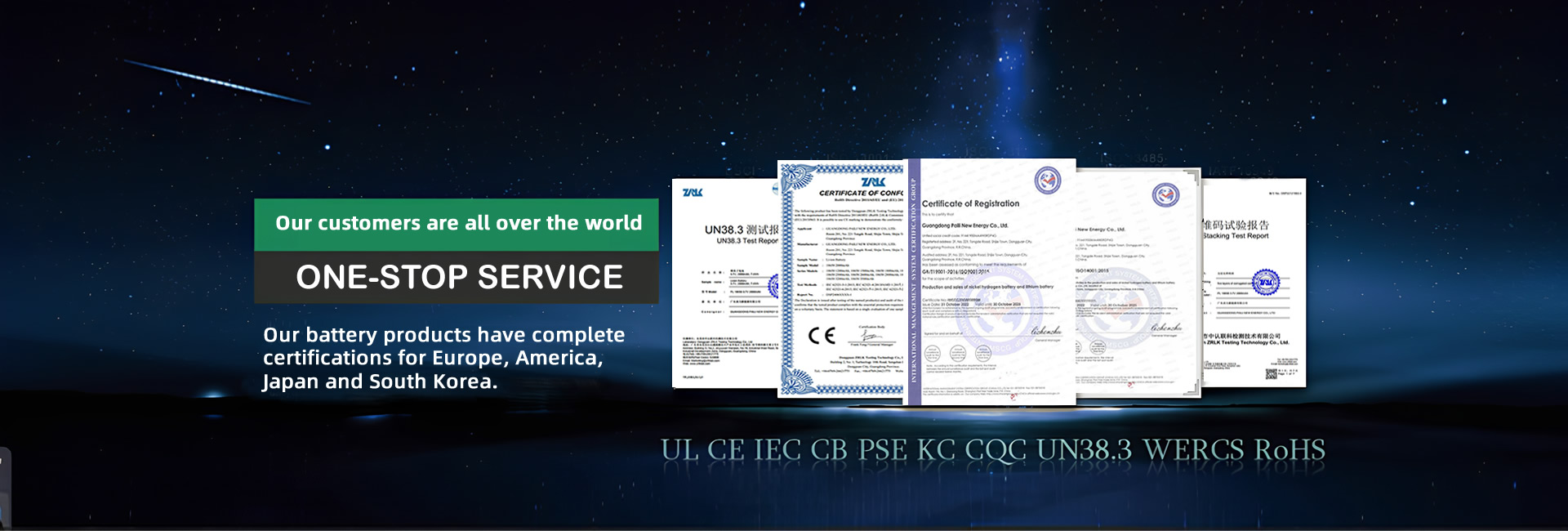
Documents used in shipment preparation
A compliant shipment may involve the UN38.3 test summary, test report availability, safety data information, correct classification, marks, labels, packaging instructions, state-of-charge limits where applicable, and carrier documentation.
Requirements vary by transport mode, battery type, quantity, packing method, and destination. The shipper and logistics provider should confirm the current applicable rules before dispatch.
Questions to ask a battery supplier
Confirm the manufacturer and model covered by the documents, whether the report applies to the cell or completed battery pack, and whether the production configuration matches the tested design. Check document dates, laboratory information, and test summary availability.
For a custom pack, certification planning should begin before tooling and mass production. This allows the design, sample quantity, schedule, and budget to be included in the project plan.
Integrate transport compliance into development
Transport testing should not be treated as a final administrative task. Cell selection, mechanical protection, insulation, wiring, BMS limits, enclosure, and packaging can all affect the test and shipment strategy.
A coordinated plan reduces the risk of completing a design that cannot be shipped on the expected schedule.
| Project stage | Recommended action | Common risk |
|---|---|---|
| Cell selection | Confirm cell documentation and intended configuration | Choosing a cell without suitable records |
| Pack design | Review whether pack-level testing is required | Assuming cell testing covers every pack |
| Pre-production | Plan samples, laboratory schedule, and documents | Late certification delay |
| Shipment | Confirm classification, packaging, marks, and carrier rules | Correct battery shipped with incorrect paperwork |
UN38.3 addresses transport testing. Product safety, market certification, and device compliance may require separate standards and evaluations.
Related battery resources
Continue from the technical overview to relevant VTCBATT product and engineering resources.
Frequently asked questions
Is UN38.3 required for lithium batteries?
Lithium cells and batteries offered for transport generally need to meet the applicable UN38.3 requirements, subject to the current transport regulations and configuration.
Does a tested cell mean the finished pack is covered?
Not automatically. The final battery configuration and applicable rules need review, especially for custom multi-cell packs.
Can a battery design change affect documentation?
Yes. Changes to cells, configuration, protection, construction, or other critical elements may require an engineering and compliance review.