Low self-discharge
Chemistry and cell platform are selected around storage duration, temperature, and service interval.
Quiet power that remains ready
Primary and rechargeable battery systems engineered for low self-discharge, predictable pulse response, long storage, low quiescent current, and dependable wake-up events.

Solution overview
A high-capacity cell can still fail a long-standby target when the BMS, protection circuit, fuel gauge, temperature, pulse load, or storage condition is ignored.
VTCBATT builds an energy budget from sleep current, wake frequency, pulse duration, self-discharge, temperature, reserve margin, and required service interval.
Performance priorities
The target is translated into measurable electrical, thermal, mechanical, safety, and production requirements.
Chemistry and cell platform are selected around storage duration, temperature, and service interval.
Protection electronics, communication, LEDs, and fuel gauge current are included in the life model.
Transmit, alarm, valve, motor, or startup pulses are checked against voltage sag and passivation.
Reserve margin, aging, temperature, replacement cycle, and transport conditions are documented.
Integrated engineering
Cells are only one part of the solution. The complete current path, structure, electronics, test plan, and manufacturing controls are developed together.
Model sleep current, event current, event duration, frequency, self-discharge, and required reserve.
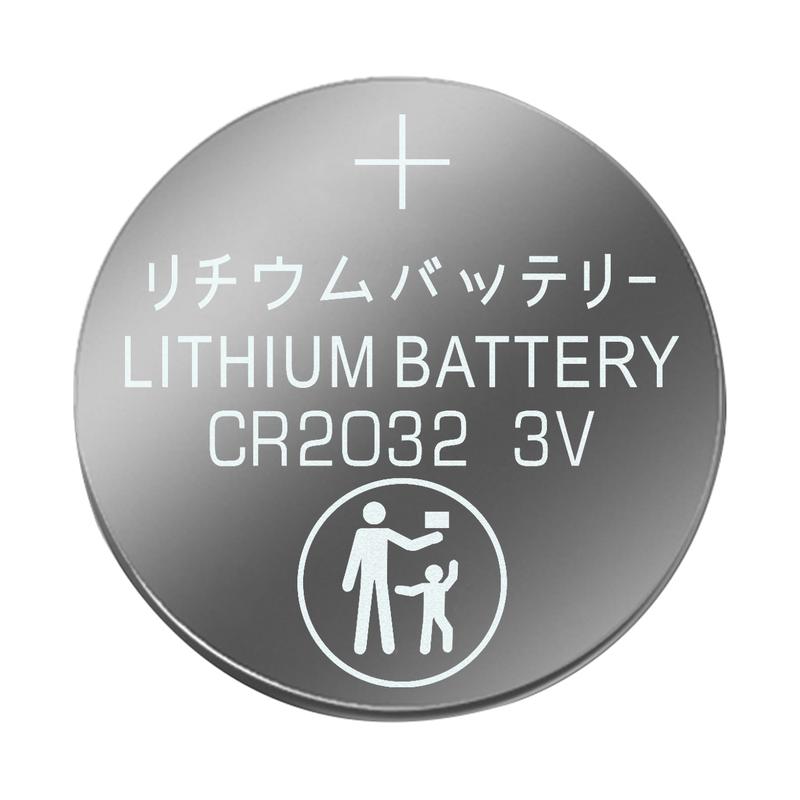
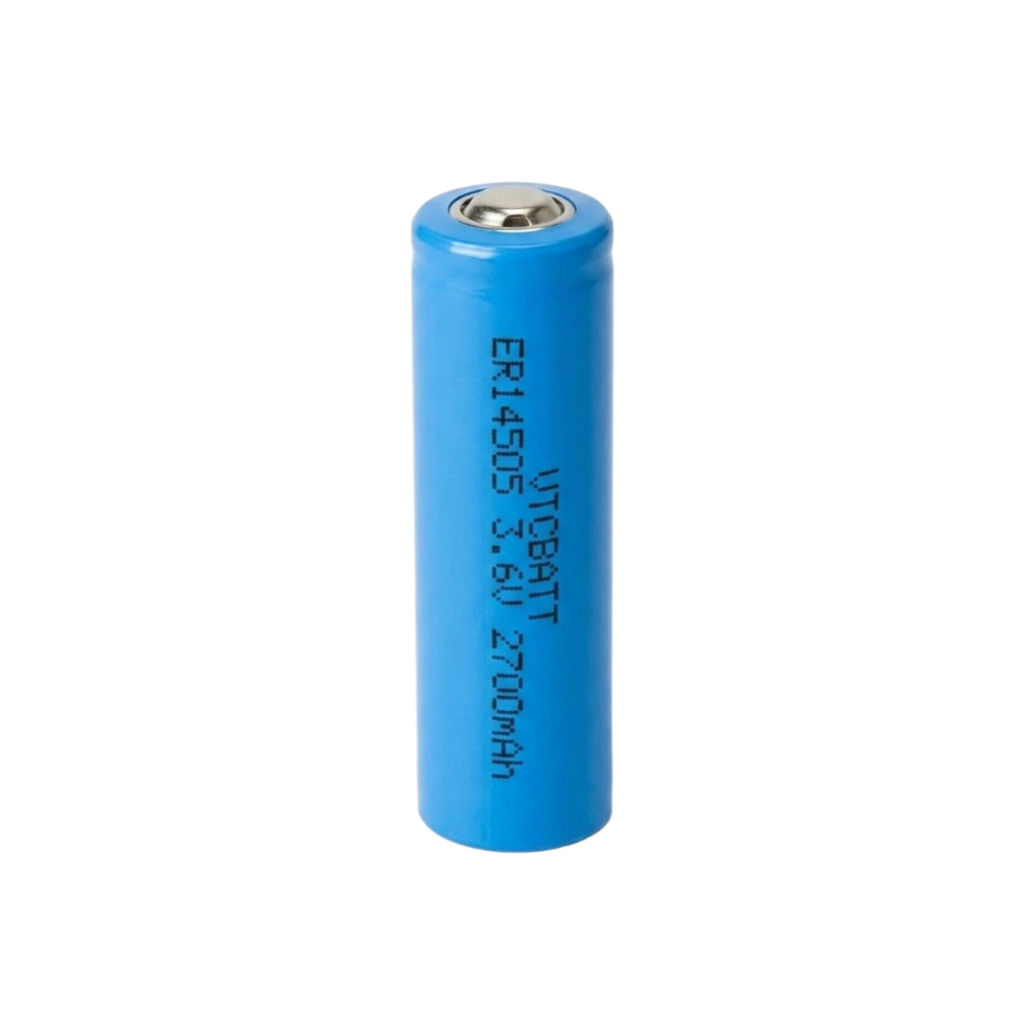
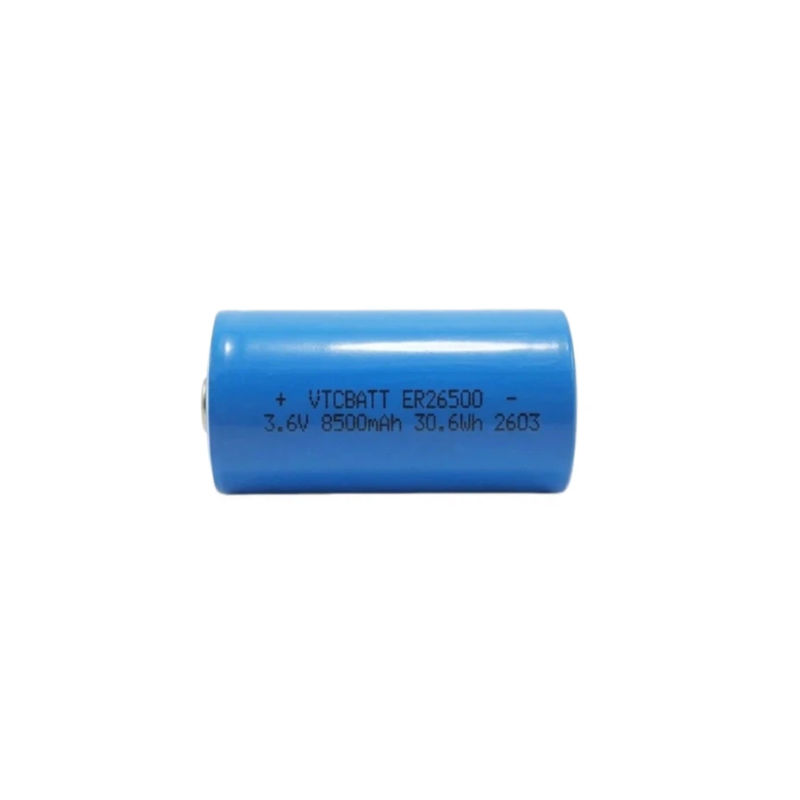
Compare Li-SOCl2, Li-MnO2, LiFeS2, LiPo, Li-ion, and LiFePO4 against service requirements.
Reduce quiescent current and define pulse capacitor, hybrid, protection, and monitoring architecture.
Verify storage, pulse, low-current discharge, temperature, passivation, and device wake-up behavior.
Technical framework
| Typical chemistry | Li-SOCl2, Li-MnO2, LiFeS2, LiFePO4, Li-ion, or LiPo |
|---|---|
| Design inputs | Sleep current, pulse current, event frequency, service interval, temperature, and replacement access |
| Pack options | Low-Iq protection, capacitor or hybrid pulse support, connector, holder, tabs, wires, and enclosure |
| Safety options | Fuse, PTC, diode, resettable protection, insulation, and application-specific controls |
| Validation focus | Shelf storage, low-current discharge, pulse sag, passivation, temperature, leakage, and wake-up |
Application fit
Battery architecture is matched to the device load, environment, enclosure, charging, and service-life target.
Battery architecture is matched to the device load, environment, enclosure, charging, and service-life target.
Battery architecture is matched to the device load, environment, enclosure, charging, and service-life target.
Battery architecture is matched to the device load, environment, enclosure, charging, and service-life target.
Related battery platforms
Final battery selection and specifications should be confirmed against the complete application requirement.
Factory and validation
VTCBATT supports cell matching, incoming inspection, pack assembly, electrical testing, temperature testing, vibration, impact, protection verification, application-load testing, and certification planning.
Engineering, assembly, inspection, and production support within one supply chain.
Custom electrical, mechanical, labeling, packaging, and documentation options.
Controlled sourcing, revision management, cell matching, and repeat-order standards.
Project planning for UN38.3, IEC 62133, UL, CE, RoHS, MSDS, and market requirements.
FAQ
Provide nominal voltage, target capacity or runtime, continuous and peak current, maximum dimensions, temperature range, charging method, annual quantity, and certification requirements.
Yes. Cell arrangement, dimensions, BMS or PCM, connector, wire length, NTC, communication, label, enclosure, mounting, and packaging can be developed around the product.
Yes. Prototype packs can be produced for installation, load, runtime, charging, thermal, protection, and device-level validation before the BOM is released.
VTCBATT uses controlled cell sourcing, matching criteria, documented BOMs, process inspection, electrical tests, and outgoing inspection to support stable production.
Depending on chemistry and target market, support may include UN38.3, IEC 62133, UL, CE, RoHS, MSDS, transport documents, and project-specific tests.
Li-SOCl2 is often selected for very low-drain, multi-year devices, while Li-MnO2 can support compact 3V products and stronger pulse demand. Rechargeable LiFePO4, Li-ion, or LiPo may be better when periodic charging is available.
The calculation should include sleep current, event current, pulse duration, event frequency, electronics quiescent current, cell self-discharge, temperature, aging, conversion losses, and a practical reserve margin.
Early failure can result from BMS or fuel-gauge leakage, passivation, pulse voltage sag, cold temperature, repeated network retries, unsuitable cut-off voltage, or an energy budget based only on nominal cell capacity.
Depending on the load, the design can use spiral Li-SOCl2, Li-MnO2, a capacitor or hybrid pulse layer, parallel cells, and low-resistance interconnects. Wake-up and transmit behavior should be validated at temperature and end-of-life conditions.
Start a solution project
Share the device, voltage, runtime, current, dimensions, environment, quantity, and certification targets for an engineering review.