Technical insight
Product and application details
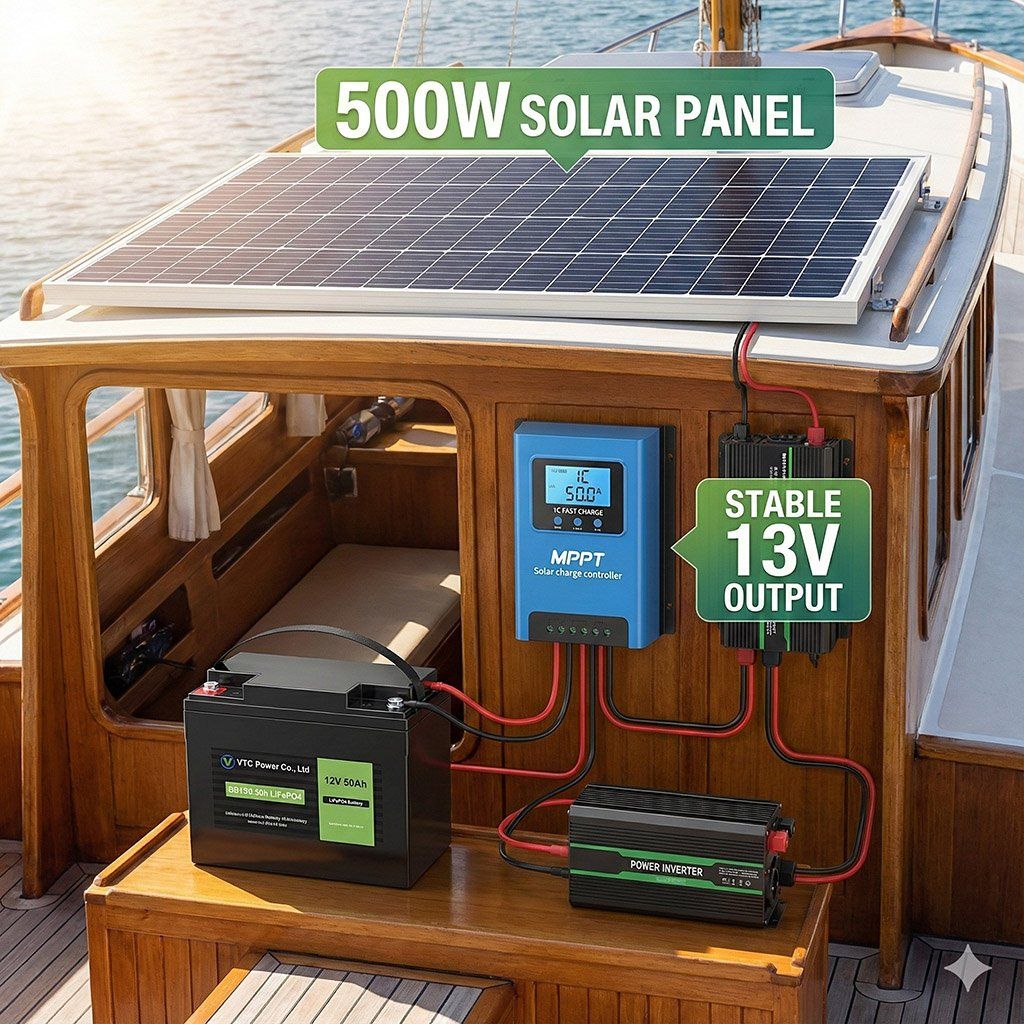
Solar System
The 150Ah capacity stores sufficient daytime solar energy to power nighttime loads without deep discharge degradation.
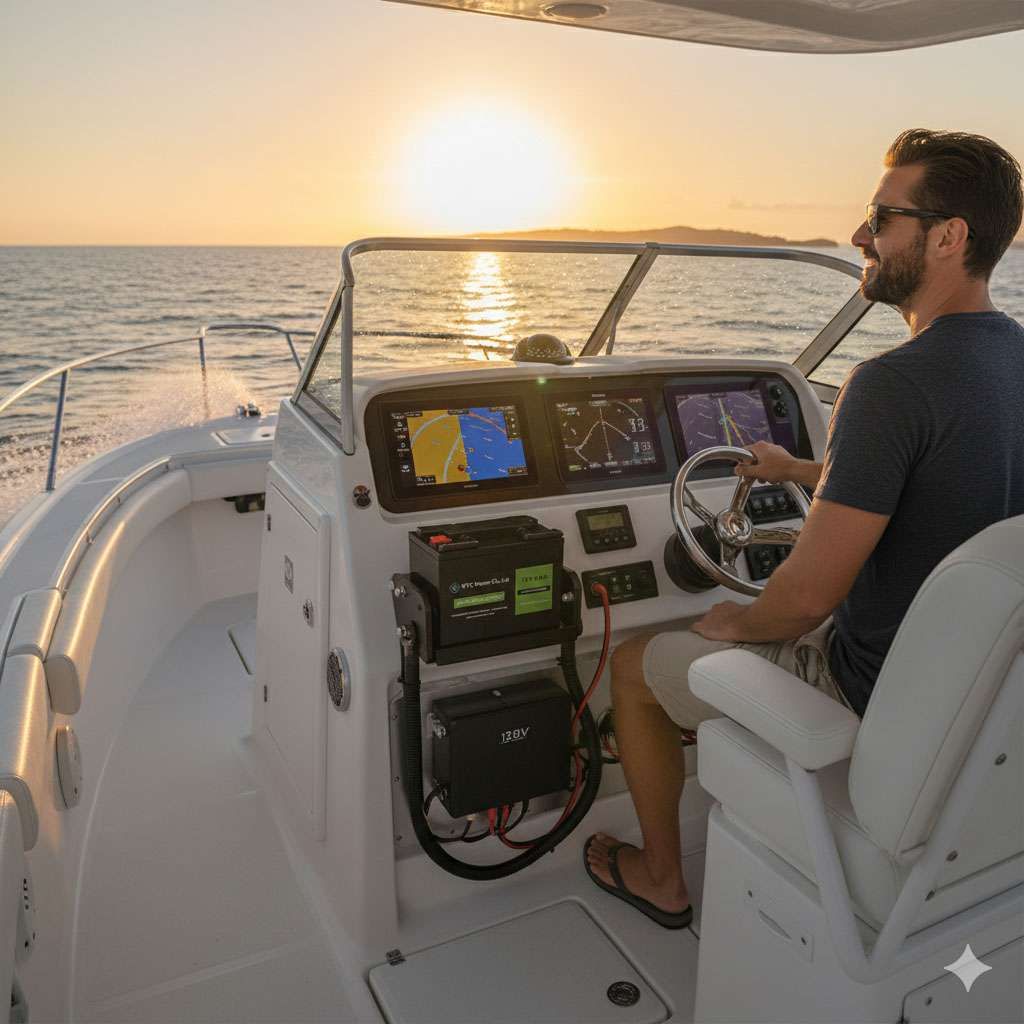
Marine & Boating
Lightweight construction reduces vessel weight significantly, improving fuel efficiency and handling stability for auxiliary house power.
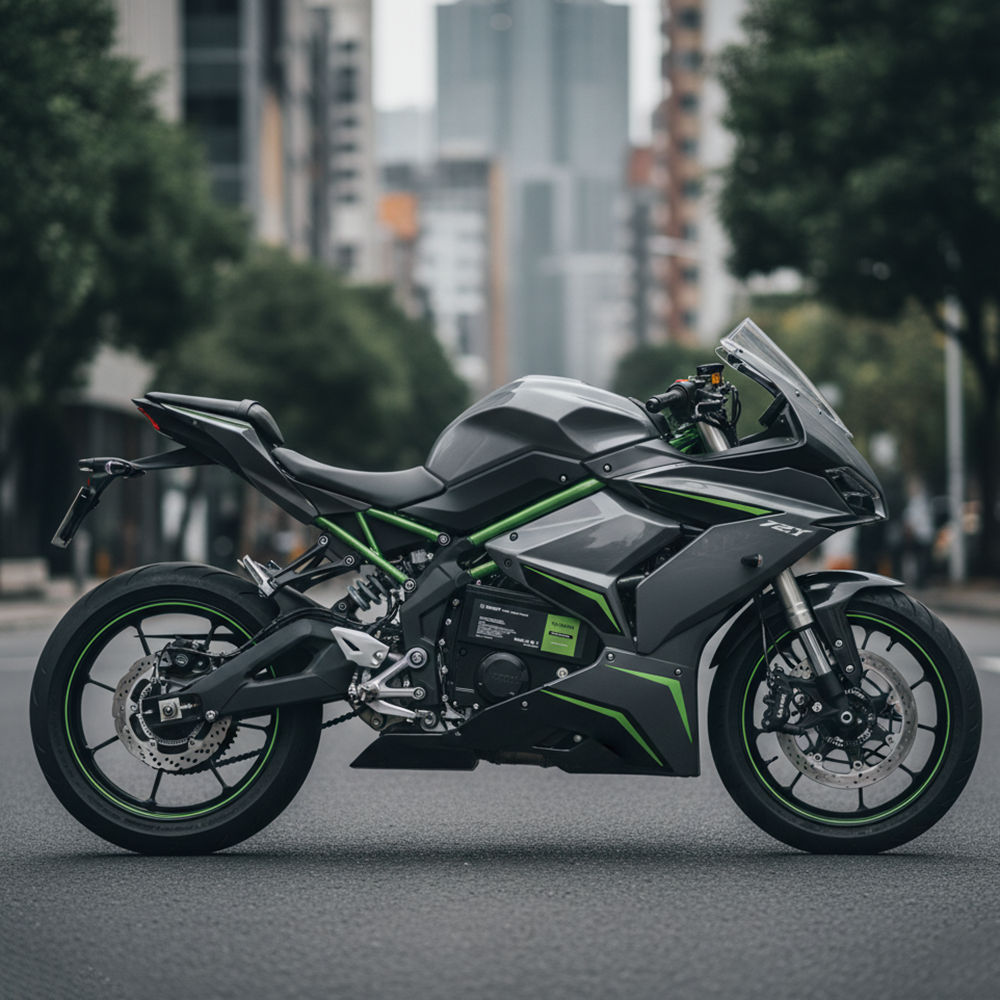
Motorcycles
The 12V voltage directly replaces heavy lead-acid batteries, reducing overall weight for improved acceleration and handling.
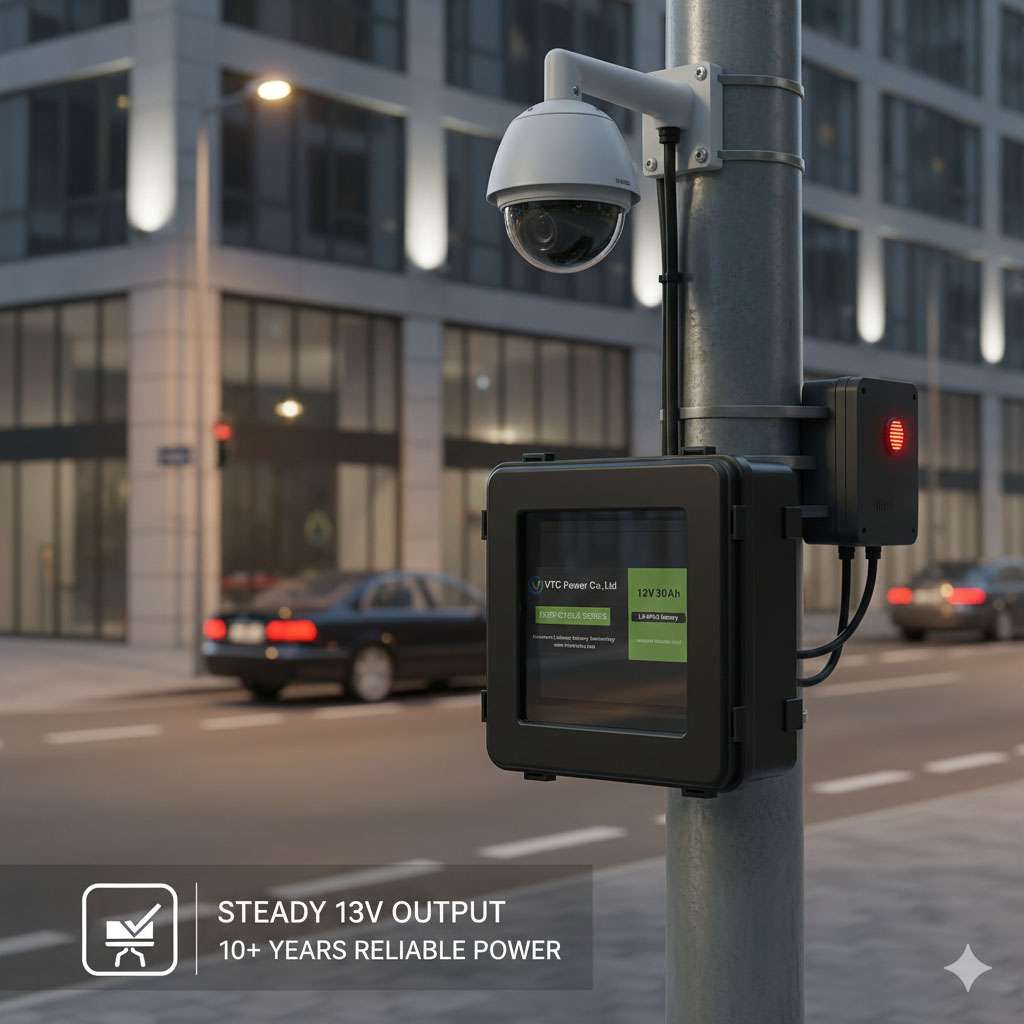
Security
Ultra-long cycle life ensures consistent power delivery for alarms over years without frequent replacement maintenance.
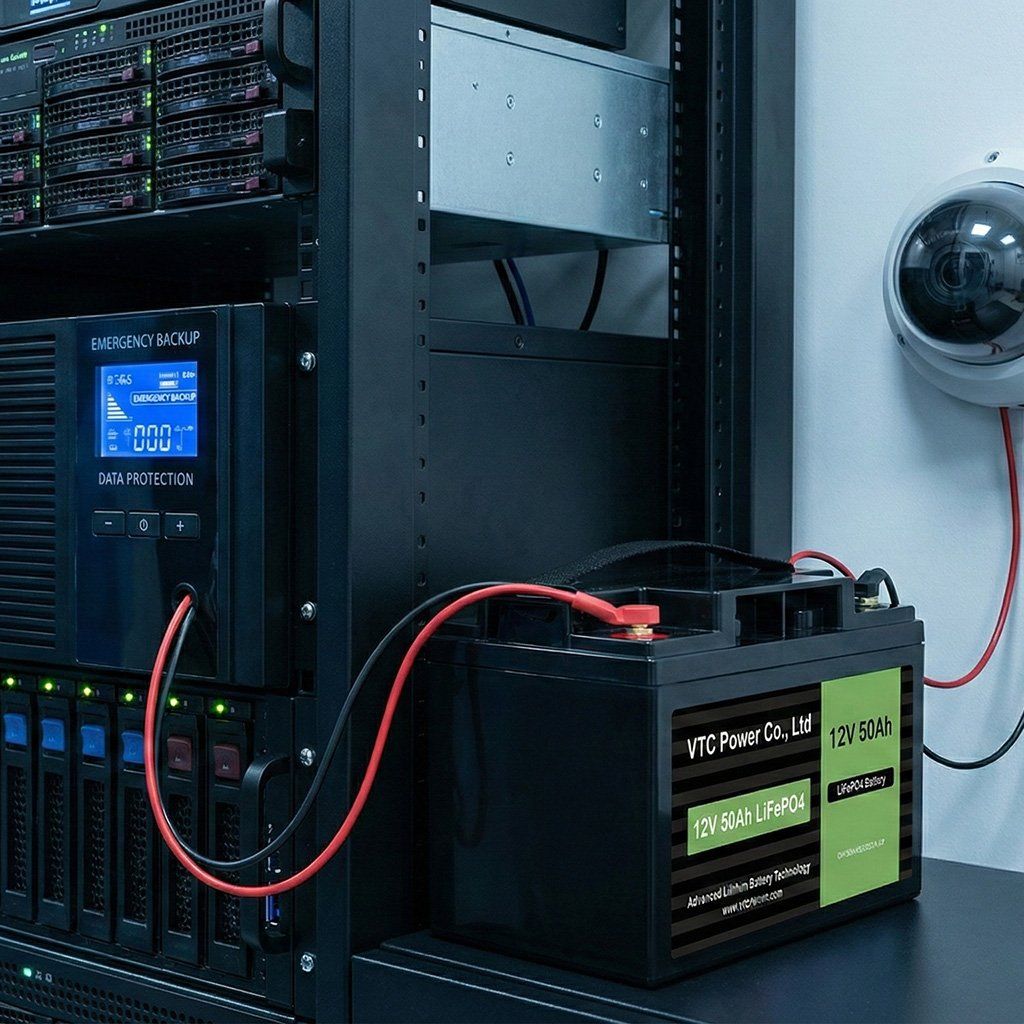
Emergency Power Backup & UPS
150Ah capacity provides extended runtime for critical devices during outages, supporting longer discharge cycles than standard units.
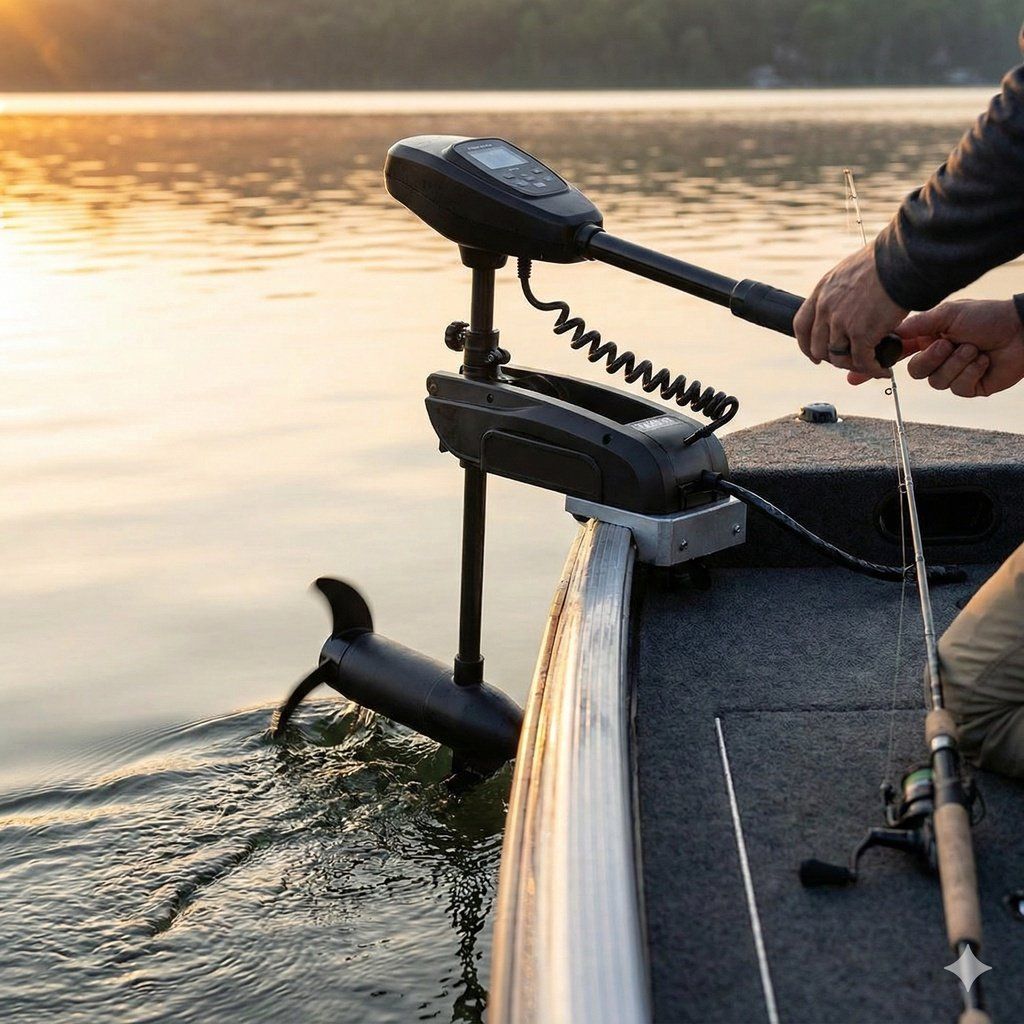
trolling motors
Lightweight design minimizes transom weight, enhancing boat balance while 12V output drives electric thrust motors effectively.
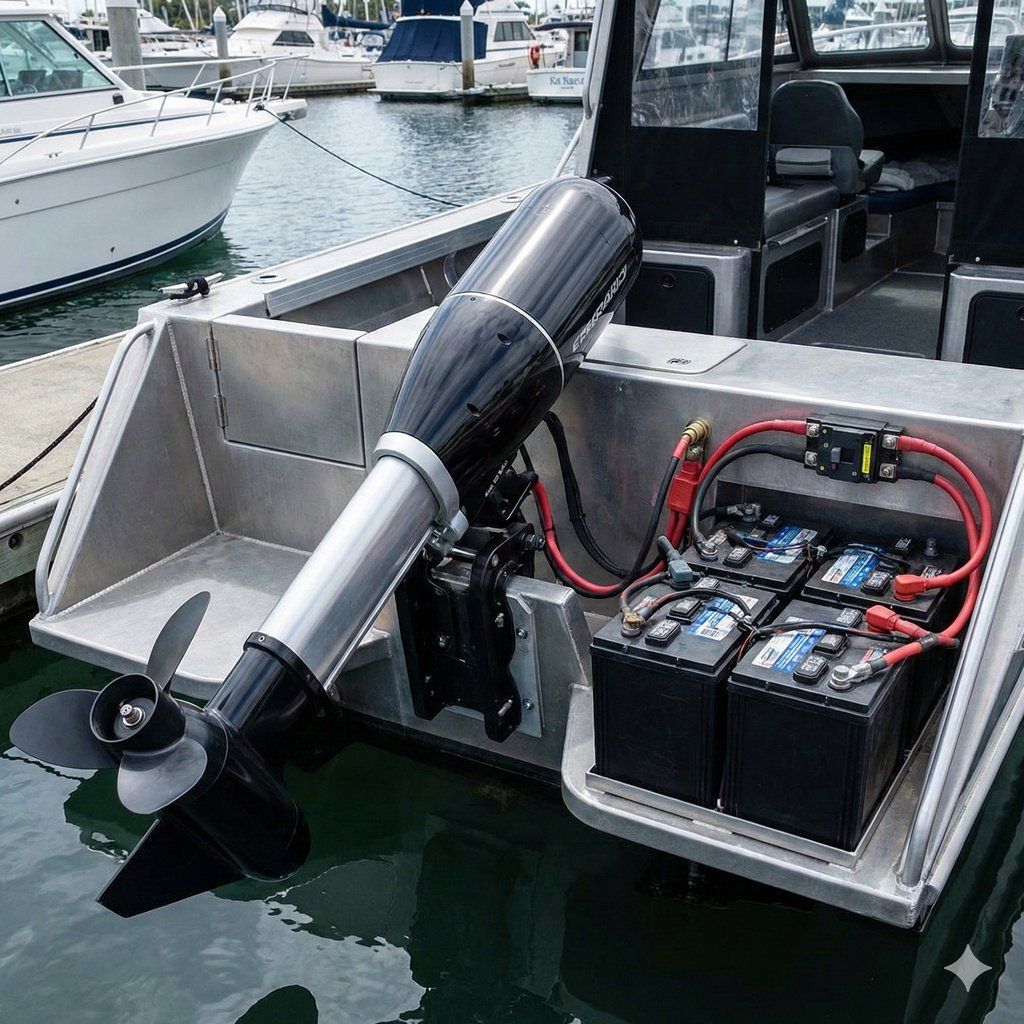
thrust motor
High cycle life withstands frequent deep discharge patterns from variable speed trolling, ensuring long-term durability.
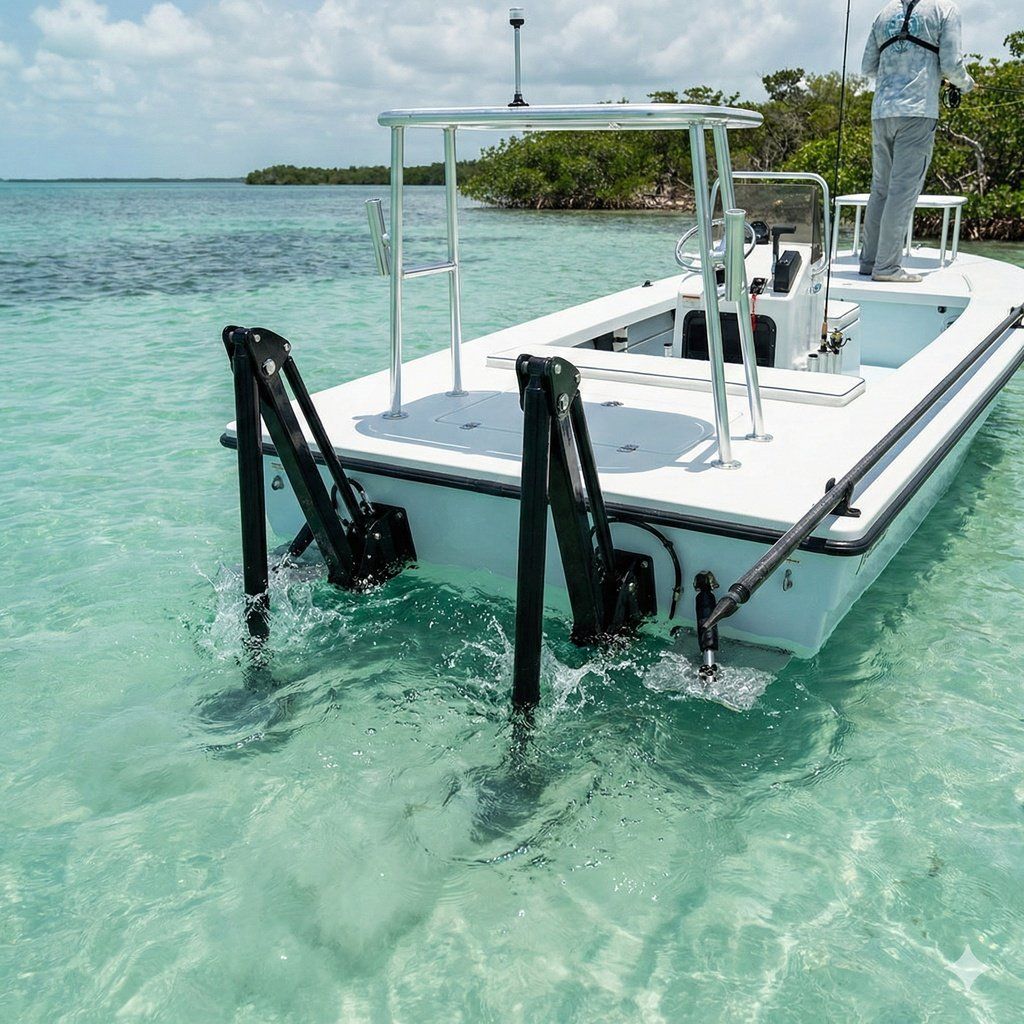
shallow water anchors
Consistent voltage delivery under load maintains precise positioning for anchors, leveraging stable LiFePO4 discharge characteristics.
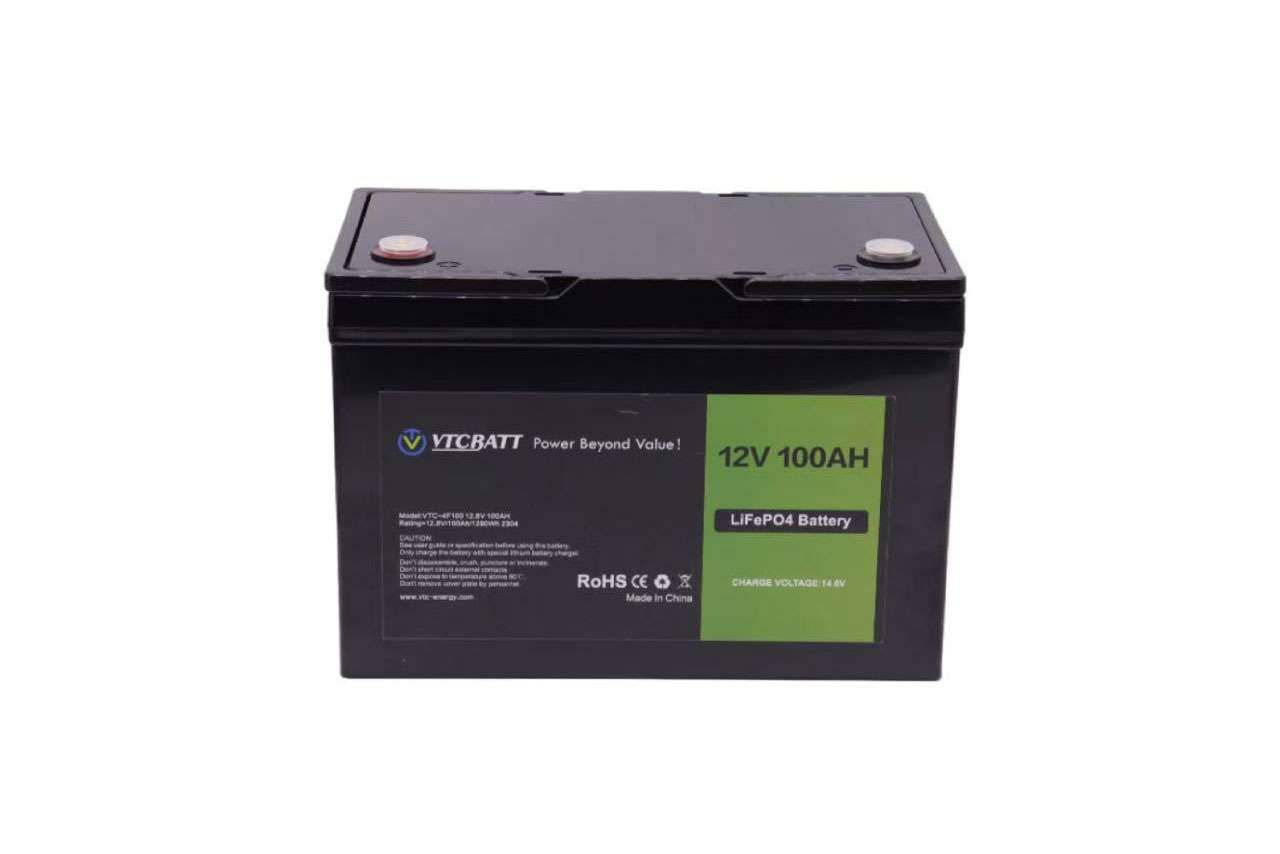
LiFePO4 VTC-4F150 12.8V 150Ah LiFePO4 Battery Pack Safety Hazards, Material Identification & UN38.3 Logistical Compliance Datasheet (Based on Latest MSDS & UN38.3 Rev.8 Standards) Model: VTC-4F150 12.8V 150AH Total Energy: 1920Wh Testing Lab: Dongguan Lepont Testing Service Co., Ltd. Report No: LP26010225C04-07 Physical & Design Specifications Nominal Voltage 12.8V Rated Capacity 150Ah Internal Cell Design LF75 (3.2V 75Ah) | 4S2P Topology Pack Dimension (L×W×H) 485.0 × 172.0 × 240.0 mm Appearance & State Approximate Black Cuboid, Odorless Solid Material Ingredients & CAS Number Chemical Name CAS Number Ratio (%) Lithium Iron Phosphate (LiFePO4) 15365-14-7 37.33% Organic Electrolyte N/A (Liquid Mixture)
VTC-4F150 12.8V 150Ah LiFePO4 Battery Pack
Safety Hazards, Material Identification & UN38.3 Logistical Compliance Datasheet (Based on Latest MSDS & UN38.3 Rev.8 Standards)
Physical & Design Specifications
| Nominal Voltage | 12.8V |
| Rated Capacity | 150Ah |
| Internal Cell Design | LF75 (3.2V 75Ah) | 4S2P Topology |
| Pack Dimension (L×W×H) | 485.0 × 172.0 × 240.0 mm |
| Appearance & State | Approximate Black Cuboid, Odorless Solid |
Material Ingredients & CAS Number
| Chemical Name | CAS Number | Ratio (%) |
|---|---|---|
| Lithium Iron Phosphate (LiFePO4) | 15365-14-7 | 37.33% |
| Organic Electrolyte | N/A (Liquid Mixture) | 24.10% |
| Graphite | 7782-42-5 | 20.16% |
| Aluminum (Metal Foil) | 7429-90-5 | 13.13% |
| Polymer Casing & Additives | 9003-07-0 / 9002-88-4 | 5.28% |
UN38.3 Test Items & Technical Verdict
| No. | Test Item | Test Parameters & Technical Procedure | Verdict |
|---|---|---|---|
| T.1 | Altitude Simulation | Simulates air transport under low-pressure conditions. Battery is stored at a pressure ≤ 11.6 kPa at an ambient temperature of 20±5°C for at least 6 hours. Requirement: No leakage, venting, disassembly, rupture, or fire; open circuit voltage retention ≥ 90%. | PASSED |
| T.2 | Thermal Test | Assesses seal integrity and internal electrical connections. Battery is stored at 72±2°C for at least 12 hours, followed by storage at -40±2°C for at least 12 hours. The procedure is repeated 10 times, followed by 24 hours of ambient storage. | PASSED |
| T.3 | Vibration | Simulates vibration during transport. A sinusoidal waveform with logarithmic sweep between 7 Hz and 200 Hz and back to 7 Hz in 15 minutes is applied. Cycle repeated 12 times for a total of 3 hours in each of the three mutually perpendicular axes. | PASSED |
| T.4 | Shock | Simulates physical shocks during transport. Large battery pack is secured and subjected to a half-sine shock of peak acceleration 39.8 gn and pulse duration of 11 milliseconds. Subjected to 3 shocks in positive and negative directions for 3 axes (total of 18 shocks). | PASSED |
| T.5 | External Short Circuit | Simulates external short circuit of the pack. Heated to 57±4°C and subjected to short circuit with a total resistance < 0.1 Ω. Continued for 1 hour after temperature stabilized. Maximum casing temperature reached was 57.7°C (well below the 170°C limit). No disassembly, rupture, or fire. | PASSED |
| T.6 | Crush (Cell-level) | Simulates mechanical crushing. LF75 cells are crushed between flat surfaces at a speed of 1.5 cm/s until the force reaches 13 ± 0.78 kN. Maximum outer casing temperature recorded during test: 25.2°C. No disassembly or fire within 6 hours. | PASSED |
| T.7 | Overcharge | Evaluates ability to withstand severe overcharge. Charged at twice the maximum continuous charge current (i.e. 200 A) at a test voltage of 22V for 24 hours. Result: No disassembly or fire within 7 days after the test. | PASSED |
| T.8 | Forced Discharge | (Cell-level) Evaluates cells’ ability to withstand a forced discharge. Connected in series with a 12V DC power supply at an initial current equal to the maximum discharge current (322.5 A) for 20 minutes. No disassembly or fire within 7 days. | PASSED |
MSDS Emergency Handling & Safety Instructions
⚠️ First-aid Measures (If Pack is Ruptured/Leaking)
- Eye Contact: Flush immediately with lukewarm flowing water or saline solution for at least 30 minutes, holding eyelids open. Seek immediate medical attention.
- Skin Contact: Remove contaminated clothing/shoes. Flush skin with gentle flowing water for at least 30 minutes. Seek medical advice if irritation persists.
- Inhalation: Remove source of contamination or move victim to fresh air. Keep airway clear and obtain medical advice.
- Ingestion: Rinse mouth thoroughly. **DO NOT induce vomiting**. Drink 60 to 240 mL (2-8 oz.) of water. Transport to emergency medical facility immediately.
🔥 Firefighting & Accidental Release Measures
- Thermal Hazard: Auto-ignition temperature 130°C. Cells may rupture under excessive heat, releasing highly flammable and corrosive electrolyte.
- Extinguishing Media: Use extinguishing media suitable for surrounding materials (water, CO2, dry powder, or sand).
- Special Hazards: Burning batteries can evolve hydrogen gas, which can form explosive mixtures in confined spaces.
- Spill Cleanup: Restrict access. Contain spilled liquid with dry sand or soil. Absorb with inert material, collect in waste container, and scrub area with water.
🛠️ Safe Handling Instructions
- Short-Circuit Prevention: Do not handle battery terminals with metal objects. Do not store packs haphazardly in drawers where terminal contacts could cross-connect.
- Mechanical Limits: Do not open, disassemble, crush, puncture, or incinerate. Protect the outer casing from mechanical impact.
- Operations: Ensure adequate ventilation at the workplace. Keep ignition sources away. Strictly no smoking.
📦 Storage Regulations
- Storage Limits: Short-term storage (≤3 months): -10°C to +40°C (45% to 85% RH). Long-term storage: 0°C to +35°C.
- Periodic Recharge: For storage exceeding 3 months, it is highly recommended to recharge the battery pack periodically to prevent deep self-discharge.
- Conditions: Store in a cool, dry, well-ventilated area. Avoid direct sunlight. Keep out of reach of children. Do not store with strong oxidizers or acidic chemicals.
Logistics & Transportation Compliance Specs
| Regulatory Category | Compliance Specifications & Shipping Parameters |
|---|---|
| UN Number | UN3480 (for standalone battery shipments) or UN3481 (if packed with/contained in equipment) |
| Proper Shipping Name | Lithium ion batteries |
| Hazard Classification | Class 9 (Miscellaneous Dangerous Goods) |
| Labeling Requirements | Requires standard Class 9 Dangerous Goods Label and “Cargo Aircraft Only” shipping labels. |
| Air Transport (IATA DGR) | Shipped in accordance with 67th Edition IATA DGR packing instruction PI965 ~ PI967 (Section IB or Section II). |
| Sea Transport (IMDG Code) | Complies with Special Provision 188 of Chapter 3.3, IMDG Code (Amdt. 42-24). Exempt from other strict dangerous goods rules if conditions are met. |
| Land Transport (ADR/DOT) | Shipped in compliance with US DOT (49 CFR 173.185) and UNECE ADR/ADN overland hazardous material frameworks. |
| Emergency Response Guide | EmS No. F-A, S-I |