Technical insight
Product and application details

Drone
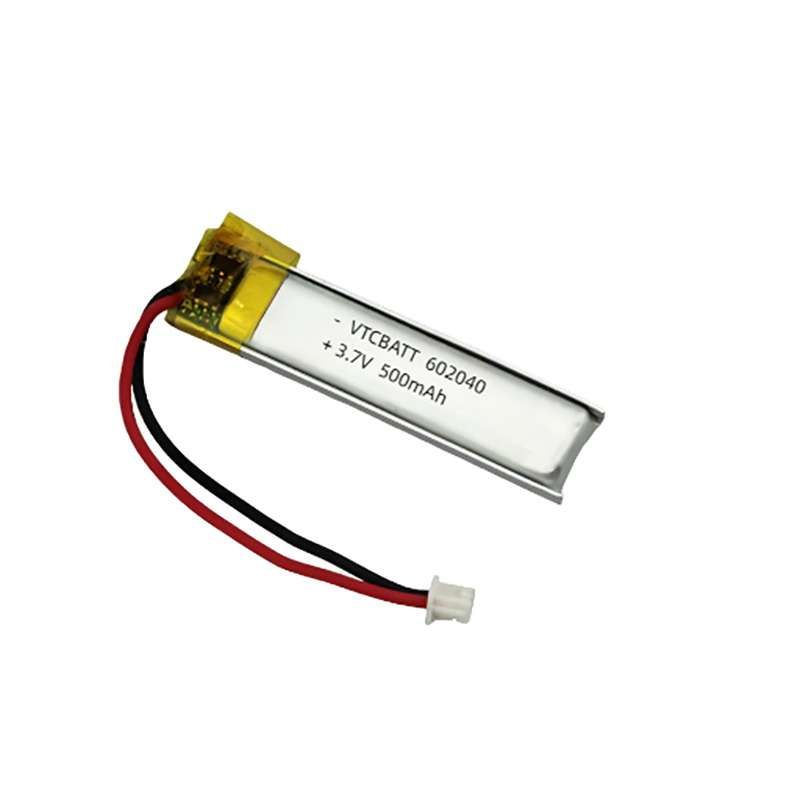
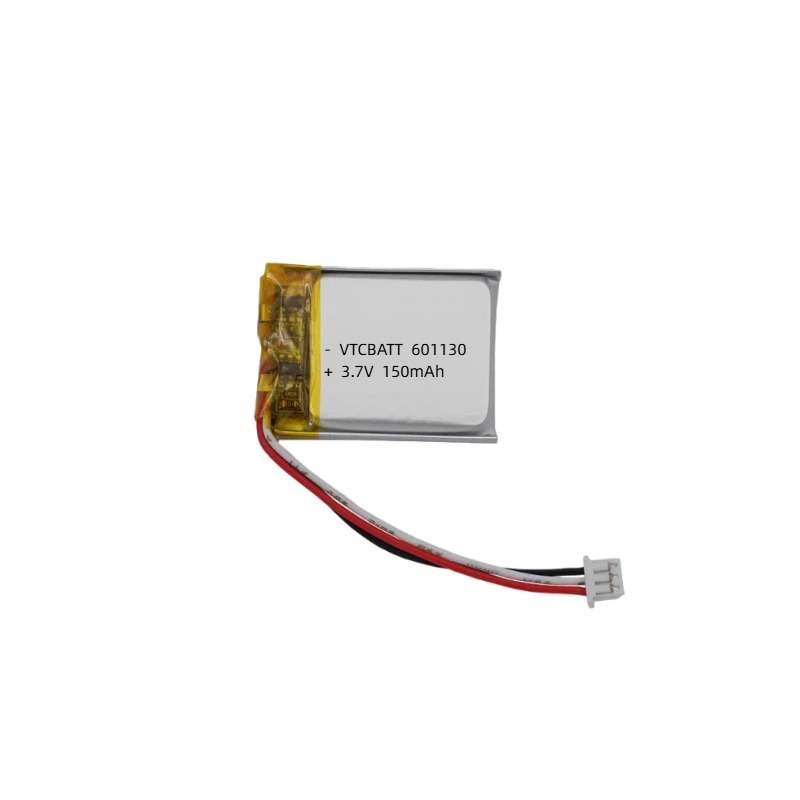
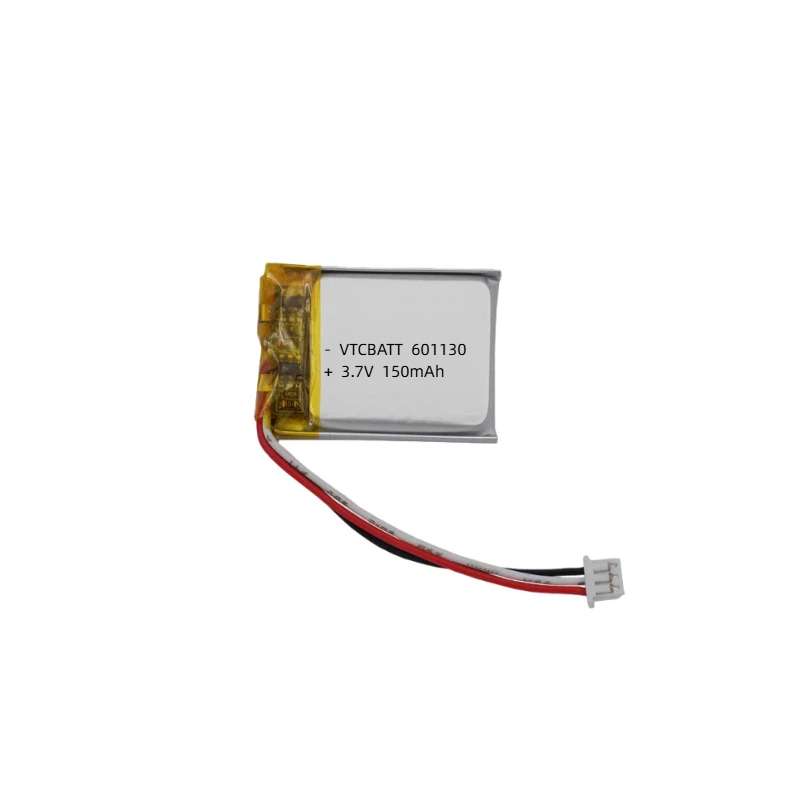
Its 3-gram weight minimizes payload impact, allowing small drones to extend flight duration without sacrificing agility or stability.

Robotics
The 6.2mm thickness allows integration into tight robotic joints, enabling compact designs that require low-profile power sources.

Solar Sensor
Operating down to -20°C ensures reliable performance in outdoor solar sensor deployments during harsh winter conditions.

UAV
The 1C discharge rate supports the burst currents needed for UAV motor control during rapid maneuvering and takeoff.
Material Safety Data Sheet (MSDS) Report No.: 18270BC30205106 Effective Date: Jan. 22, 2026 1. Chemical Product and Company Identification Sample Name: Lithium Polymer Battery Sample Model: 601130 300mAh Nominal Voltage: 3.7V Rated Capacity: 300mAh (1.11Wh) Weight: 0.45g Manufacturer: VTC Power Co., Ltd 2. Composition/Information on Ingredients Chemical Name Percent of Content CAS No. Lithium Cobalt Oxide (LiCoO2) 25% ~ 35% 12190-79-3 Graphite (C) 15% ~ 20% 7782-42-5 Polyvinylidene Fluoride (PVDF) 1% ~ 5% 24937-79-9 Acetylene Black (SP) 0.5% ~ 3% 1333-86-4 Aluminum (Al) 21% ~ 23% 7429-90-5 Copper (Cu) 10% ~ 11% 7440-50-8 Lithium hexafluorophosphate (LiPF6) 10% ~ 15% 21324-40-3
Material Safety Data Sheet (MSDS)
Report No.: 18270BC30205106
Effective Date: Jan. 22, 2026
| Chemical Name | Percent of Content | CAS No. |
|---|---|---|
| Lithium Cobalt Oxide (LiCoO2) | 25% ~ 35% | 12190-79-3 |
| Graphite (C) | 15% ~ 20% | 7782-42-5 |
| Polyvinylidene Fluoride (PVDF) | 1% ~ 5% | 24937-79-9 |
| Acetylene Black (SP) | 0.5% ~ 3% | 1333-86-4 |
| Aluminum (Al) | 21% ~ 23% | 7429-90-5 |
| Copper (Cu) | 10% ~ 11% | 7440-50-8 |
| Lithium hexafluorophosphate (LiPF6) | 10% ~ 15% | 21324-40-3 |
Danger Sort: N/A
Routes of Entry:
- Eyes and Skin: Leakage of electrolyte can cause irritation to ocular tissues and skin.
- Inhalation: Fumes released due to heat or abundance of leaking batteries may irritate the respiratory system.
- Ingestion: Harmful if swallowed. Content of open battery can cause serious chemical burns.
Health Harm: Exposure to leaking electrolyte can lead to burns, coughing, wheezing, and skin redness.
Explosion Danger: The battery may be explosive at temperatures above 60°C or when exposed to fire.
- Skin Contact: Flush with copious amounts of water for at least 15 minutes if electrolyte contact occurs.
- Eye Contact: Flush with copious amounts of water for at least 15 minutes and seek immediate medical attention.
- Inhalation: Remove to fresh air. If irritation persists, consult a physician.
- Ingestion: Rinse mouth with clear water at once and consult a physician for immediate treatment.
Unusual Hazards: Battery may explode or leak hazardous vapors under excessive heat, fire, or short circuit conditions.
Extinguishing Media: Dry chemical type or CO2 extinguishers are most effective.
Fire Fighting Procedures: Use positive pressure self-contained breathing apparatus and full protective clothing.